Altars: A Cross-Cultural Day of the Dead
Washington, District of Columbia | Film Feature
Documentary
As American minorities feel increasingly under threat, we must invest in projects to strengthen our communities & elevate our voices. Altars will document the creation of a cross-cultural celebration of Day of the Dead to help African American communities cope with loss and tell our stories.
Altars: A Cross-Cultural Day of the Dead
Washington, District of Columbia | Film Feature
Documentary
1 Campaigns | District of Columbia, United States
Green Light
This campaign raised $25,556 for production. Follow the filmmaker to receive future updates on this project.
218 supporters | followers
Enter the amount you would like to pledge
As American minorities feel increasingly under threat, we must invest in projects to strengthen our communities & elevate our voices. Altars will document the creation of a cross-cultural celebration of Day of the Dead to help African American communities cope with loss and tell our stories.
About The Project


- The Story
- Wishlist
- Updates
- The Team
- Community
Mission Statement
The Story
About Barrett
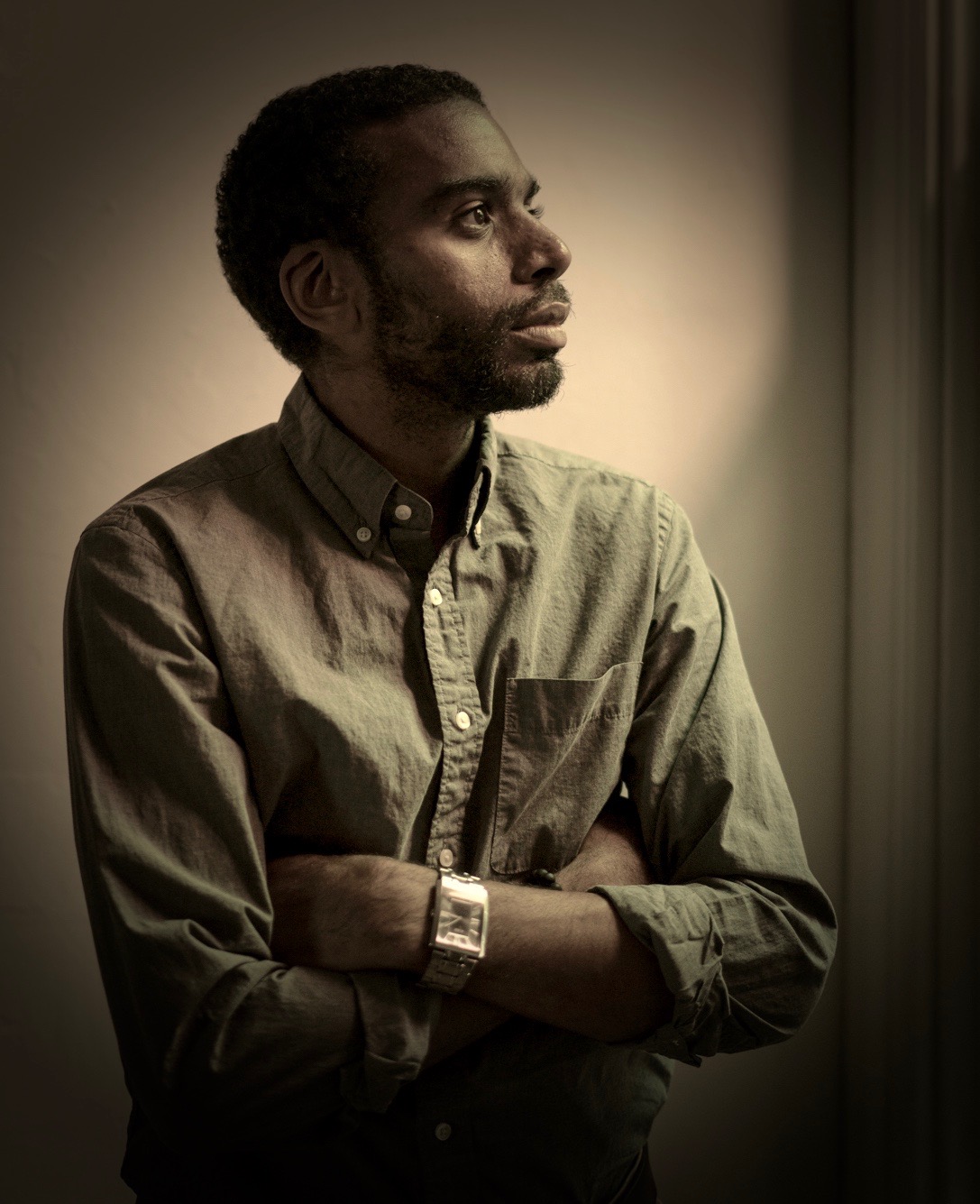
My name is Barrett Holmes Pitner and I’m a writer, journalist, and columnist who focuses on race, culture and politics. My work has been featured in The Daily Beast, the BBC, The Guardian, HuffPost, and more publications, and I regularly appear on television. Arguably, my biggest claim to fame was my column, “Okay, This Trump Thing Isn’t Funny Anymore,” which was the first mainstream article to connect then-candidate Donald Trump to fascism. Before working in journalism, I worked in the film industry in my hometown of Atlanta.
As an African American growing up in the South, I have always felt a yearning to find or create safe spaces to tell our stories, strengthen our communities, and cope with the generational traumas resulting from systemic racial oppression. Altars is a continuation of this quest.
The Idea
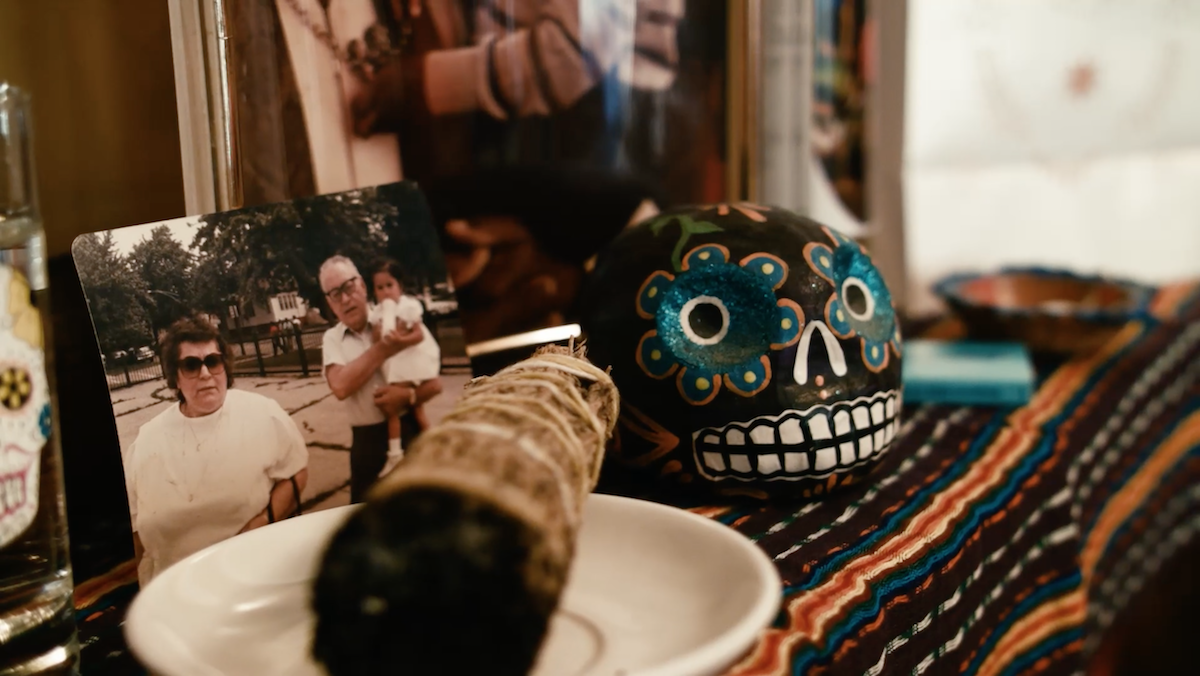
In 2010, I moved to Washington, DC, where I experienced Day of the Dead for the first time. For this tradition, from Oct. 31 - Nov. 2, my friends in the Mexican community would create decorative altars in their homes to remember their departed loved ones, paint their faces, and invite friends and family into their homes to celebrate their ancestors. My friends would spend weeks diligently constructing their altars and finding photos and mementos of those who had passed. Some even included photos of their pets who had died. Mexican cultural centers and communal spaces would create large altars for their entire community. Confronting death would bring the community together, something I initially did not understand at all.
The origins of this tradition date back to the Aztecs and Mayans from thousands of years ago. As an American, my schooling taught me next to nothing about indigenous cultures and the value of their traditions today, which is why I believe this project is so valuable.
For years, I have thought about the beauty and spirit of Day of the Dead, and how it might resonate more broadly with African Americans, and the crisis of mourning that has seized our communities. The death of my cousin last year emboldened me to embark on this project. He was only in his 20s when he died unexpectedly, and my family had a hard time coping with it. I have never been comfortable sharing my emotions, and when I attended my cousin’s funeral and felt the yearning to swiftly move on, I knew I was missing something. What previously appeared to “work,” no longer did.
On some level, this personal death connected me to a wider relationship with death our community has faced.
African Americans and other minority groups have a proximity to death and trauma from systemic oppression that the greater American society largely ignores. Police brutality, senseless killings, and incarceration plague our communities at disturbingly high rates. The Black Lives Matter movement is an organic cultural outgrowth of the killings of Trayvon Martin, Eric Garner, Michael Brown, Sandra Bland, and the list goes on. Public memorials have marked these tragic events through the spontaneous outpouring of loved ones, friends, and wider communities.
What would it look like if the Day of the Dead become an annual observance to remember these lives, to tell their stories and countless others of the African American community? This project comes out of my desire to see this happen – to incorporate African and African American traditions, while building bridges with America's Latino communities, who also encounter systemic obstacles for telling their stories and celebrating those who have died.
The Film
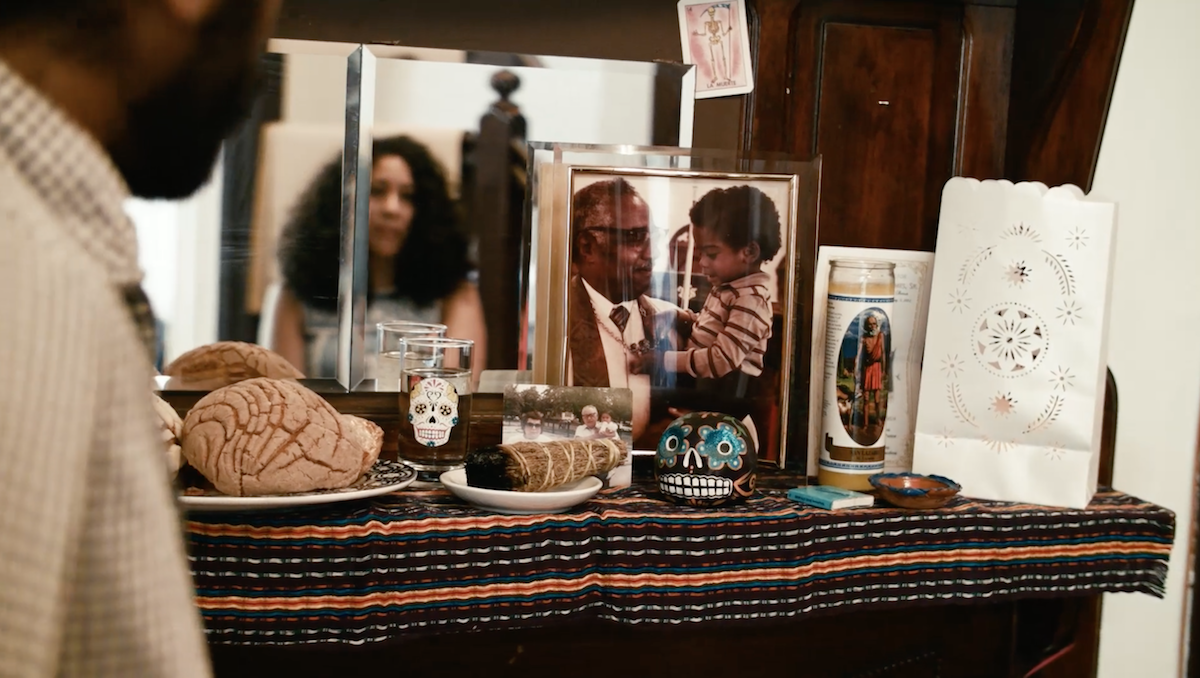
Altars will be both a spiritual and intellectual journey across continents as we create a Day of the Dead celebration that can thrive within the African American community. We will work closely with Latino communities to understand – and respectfully build on – this ancient tradition. The documentary will follow my journey, along with those who join me along the way, as we traverse this complicated cultural terrain, from Africa to Mexico, to communities across the U.S. I know that this journey will force me to confront difficult emotions I have suppressed regarding death and Black life in America. But ultimately the film will be a journey of empowerment as African American communities turn sorrow into celebration, and find new ways to honor those who have been lost.
Part 1: Day of the Dead 2018
This year, with the support of Mexican and Mexican American communities, I will host Day of the Dead celebrations in Washington, DC, and my hometown of Atlanta, and invite African Americans and friends of the community, who have never celebrated this colorful tradition. We are seeking support through this crowdfunding campaign to document these events, the foundation of a feature-length documentary, as we begin to understand the impact of these celebrations.
Part 2: The Journey
The second part of the film will be a journey through America, Mexico, and Africa to gather wisdom and information that will help us create a cross-cultural celebration of Day of the Dead in 2019. We will travel to Oaxaca and Mexico City to learn more about this ancient tradition. The journey will also explore my own tribal and cultural roots in West Africa, as we determine how traditions there can intersect with Day of the Dead. We will also seek connections with churches, schools and cultural venues that might participate in Day of the Dead 2019.
To start, I will undergo DNA testing that will reveal my specific African tribal roots. Our journey to Africa will seek out these tribes and explore their rituals around death, as we build on traditions and stories that can be incorporated into a new celebration of Day of the Dead.
I have spoken with many African Americans about this concept and encountered concern about appropriating or copying a Mexican tradition when there could be a viable African alternative. This journey will address concerns about appropriation from both communities.
Part 3: Day of the Dead 2019
The last part of the film will document the creation of a new Day of the Dead celebration across locations in the U.S. for the African American community, as we build public altars to bring our community together and help us tell our stories.
The film will document our collaborations with schools, churches, and cultural spaces to create community altars. Day of the Dead is an annual celebration, and our hope is that these altars inspire communities to build on this tradition to remember Black lives each year at this time.
The Finished Film
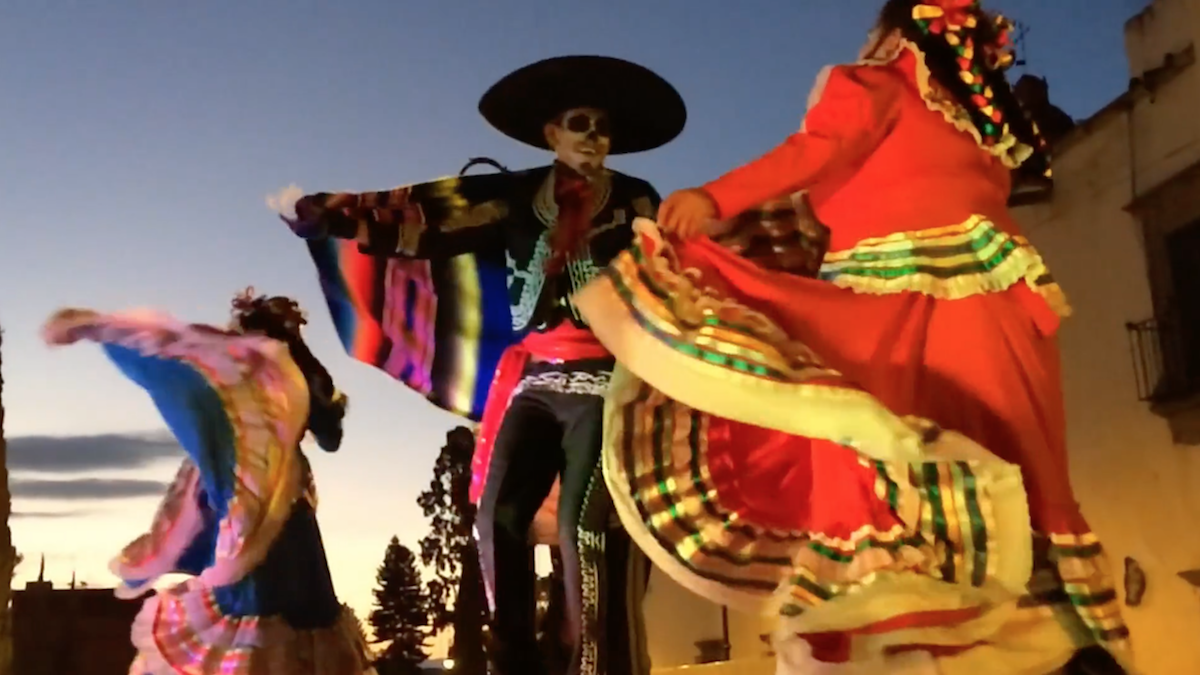
We believe this film will take audiences on an inspirational and deeply emotional journey to create a meaningful cross-cultural tradition. We also hope it will provide a roadmap for others to share in this tradition. As an African American, I believe that combining Day of the Dead with our traditions can elevate our voices and strengthen our community. And hopefully, Day of the Dead’s foundation of empathy and togetherness can help us form meaningful bonds with other communities too.
Our goal is to premiere the documentary in film festivals across the country and internationally. We will seek broad distribution through televison, streaming services and community screenings. Our hope is that this film can be an inspiration, an educational tool, and a catalist for communities that may want to hold their own celebrations.
The Budget & Your Support
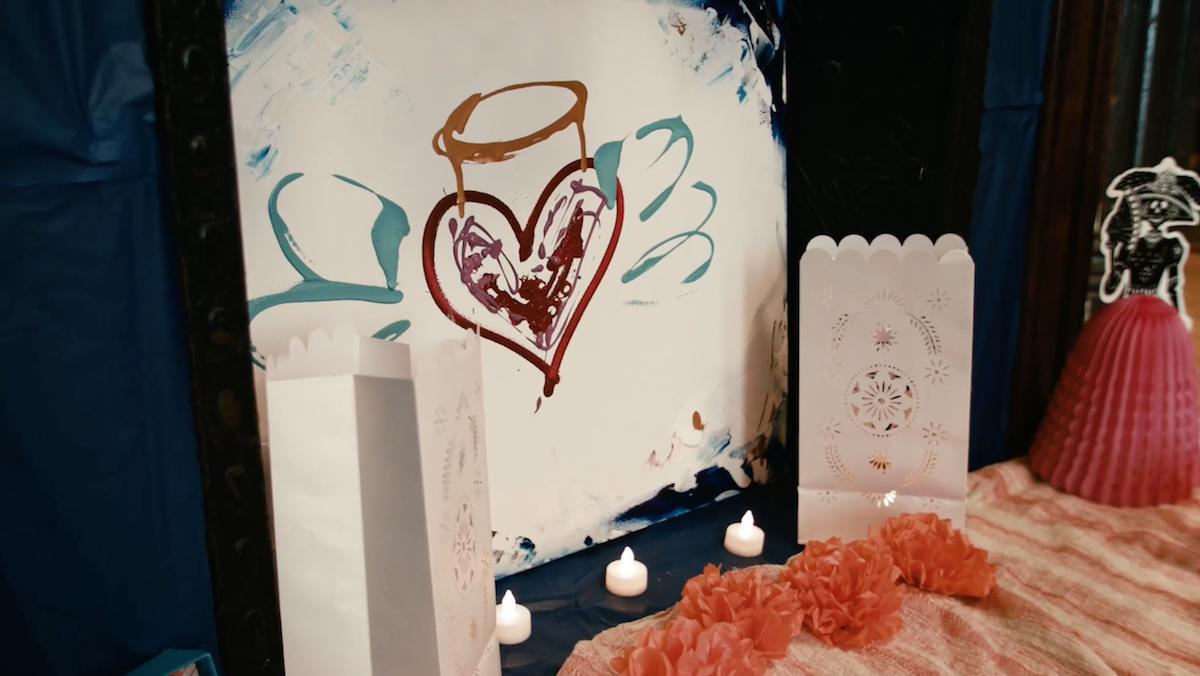
Our aim is to raise $30,000 through our Seed and Spark campaign, to support the production of Part 1 of Altars, and to produce a work-in-progress trailer that will be tremendously valuable as we continue our fundraising efforts.
The total budget for the film will be in excess of $250,000, and if we can raise even more through our crowdfunding campaign, we can further our goals toward production of Part 2.
Wishlist
Use the WishList to Pledge cash and Loan items - or - Make a pledge by selecting an Incentive directly.
Travel to Atlanta
Costs $5,000
Filming in Atlanta for Day of the Dead 2018 with my family and the African American community
Editing Second Trailer
Costs $4,000
We will edit a new work-in-progress trailer with our Atlanta footage to help further fundraising.
Paying the crew
Costs $12,000
So far everyone on this film has worked for nearly nothing. We need to pay our hard-working crew.
Production equipment
Costs $3,000
Equipment rentals and purchases include special lenses, lights, filters, etc.
Pre-Production for Part 2
Costs $3,000
Production planning for Mexico and Africa
Begin Production on Part 2
Costs $3,000
If we make our goal, and go beyond, we'll be heading into Part 2 of our production.
Cash Pledge
Costs $0



Direct link:
Share this update!
About This Team
The Altars team consists of me, Barrett Holmes Pitner, producer, director, & protagonist; Joan Grossman, producer; Bob Spoerl, associate producer; and Alejandro Heredia, camera operator & editor. I've known each of these people during different stages of my life and am so happy that they've chosen to come together for this project.
My team also consists of many friends and colleagues in the African American and Latino communities who have provided guidance and support throughout this project.
Joan is an experienced filmmaker and producer, and founder of Pinball Films in Brooklyn. Joan produced, directed, and edited the documentary film Drop City and numerous projects in documentary, video installation and video for live performance. She has also worked as American producer for European fiction and non-fiction films shooting in the U.S. Joan teaches video production in the School of the Environment at Middlebury College. I met Joan through a mutual friend in academia and we immediately hit it off. She's been passionate about this project from the moment I mentioned it to her, and her experience has been invaluable.
Bob is a good friend from journalism school at Northwestern University. (I was a groomsman at his wedding.) Since graduation, Bob has launched a successful PR firm, Bear Icebox, and for Altars he is applying his media expertise to raise awareness for the project, and generate funding for and after our Seed & Spark campaign. As a friend, Bob knows how much this celebration means to me, but he is also married to an African American woman, and he can see how this tradition can strengthen his family too.
Alejandro is a camera operator and editor that I have known for years. We used to work together at a media publication in DC, and we produced news stories together. Alejandro has been working in media production for many years, filming advertising campaigns, concerts, music videos, documentaries, and more. When I told him about my project he immediately came on board.
As this project grows more people will be added to the team, but this core group will allow us to complete part 1 and move into part 2.
Current Team
Incentives
- The Story
- Wishlist
- Updates
- The Team
- Community
Mission Statement
The Story
About Barrett
My name is Barrett Holmes Pitner and I’m a writer, journalist, and columnist who focuses on race, culture and politics. My work has been featured in The Daily Beast, the BBC, The Guardian, HuffPost, and more publications, and I regularly appear on television. Arguably, my biggest claim to fame was my column, “Okay, This Trump Thing Isn’t Funny Anymore,” which was the first mainstream article to connect then-candidate Donald Trump to fascism. Before working in journalism, I worked in the film industry in my hometown of Atlanta.
As an African American growing up in the South, I have always felt a yearning to find or create safe spaces to tell our stories, strengthen our communities, and cope with the generational traumas resulting from systemic racial oppression. Altars is a continuation of this quest.
The Idea
In 2010, I moved to Washington, DC, where I experienced Day of the Dead for the first time. For this tradition, from Oct. 31 - Nov. 2, my friends in the Mexican community would create decorative altars in their homes to remember their departed loved ones, paint their faces, and invite friends and family into their homes to celebrate their ancestors. My friends would spend weeks diligently constructing their altars and finding photos and mementos of those who had passed. Some even included photos of their pets who had died. Mexican cultural centers and communal spaces would create large altars for their entire community. Confronting death would bring the community together, something I initially did not understand at all.
The origins of this tradition date back to the Aztecs and Mayans from thousands of years ago. As an American, my schooling taught me next to nothing about indigenous cultures and the value of their traditions today, which is why I believe this project is so valuable.
For years, I have thought about the beauty and spirit of Day of the Dead, and how it might resonate more broadly with African Americans, and the crisis of mourning that has seized our communities. The death of my cousin last year emboldened me to embark on this project. He was only in his 20s when he died unexpectedly, and my family had a hard time coping with it. I have never been comfortable sharing my emotions, and when I attended my cousin’s funeral and felt the yearning to swiftly move on, I knew I was missing something. What previously appeared to “work,” no longer did.
On some level, this personal death connected me to a wider relationship with death our community has faced.
African Americans and other minority groups have a proximity to death and trauma from systemic oppression that the greater American society largely ignores. Police brutality, senseless killings, and incarceration plague our communities at disturbingly high rates. The Black Lives Matter movement is an organic cultural outgrowth of the killings of Trayvon Martin, Eric Garner, Michael Brown, Sandra Bland, and the list goes on. Public memorials have marked these tragic events through the spontaneous outpouring of loved ones, friends, and wider communities.
What would it look like if the Day of the Dead become an annual observance to remember these lives, to tell their stories and countless others of the African American community? This project comes out of my desire to see this happen – to incorporate African and African American traditions, while building bridges with America's Latino communities, who also encounter systemic obstacles for telling their stories and celebrating those who have died.
The Film
Altars will be both a spiritual and intellectual journey across continents as we create a Day of the Dead celebration that can thrive within the African American community. We will work closely with Latino communities to understand – and respectfully build on – this ancient tradition. The documentary will follow my journey, along with those who join me along the way, as we traverse this complicated cultural terrain, from Africa to Mexico, to communities across the U.S. I know that this journey will force me to confront difficult emotions I have suppressed regarding death and Black life in America. But ultimately the film will be a journey of empowerment as African American communities turn sorrow into celebration, and find new ways to honor those who have been lost.
Part 1: Day of the Dead 2018
This year, with the support of Mexican and Mexican American communities, I will host Day of the Dead celebrations in Washington, DC, and my hometown of Atlanta, and invite African Americans and friends of the community, who have never celebrated this colorful tradition. We are seeking support through this crowdfunding campaign to document these events, the foundation of a feature-length documentary, as we begin to understand the impact of these celebrations.
Part 2: The Journey
The second part of the film will be a journey through America, Mexico, and Africa to gather wisdom and information that will help us create a cross-cultural celebration of Day of the Dead in 2019. We will travel to Oaxaca and Mexico City to learn more about this ancient tradition. The journey will also explore my own tribal and cultural roots in West Africa, as we determine how traditions there can intersect with Day of the Dead. We will also seek connections with churches, schools and cultural venues that might participate in Day of the Dead 2019.
To start, I will undergo DNA testing that will reveal my specific African tribal roots. Our journey to Africa will seek out these tribes and explore their rituals around death, as we build on traditions and stories that can be incorporated into a new celebration of Day of the Dead.
I have spoken with many African Americans about this concept and encountered concern about appropriating or copying a Mexican tradition when there could be a viable African alternative. This journey will address concerns about appropriation from both communities.
Part 3: Day of the Dead 2019
The last part of the film will document the creation of a new Day of the Dead celebration across locations in the U.S. for the African American community, as we build public altars to bring our community together and help us tell our stories.
The film will document our collaborations with schools, churches, and cultural spaces to create community altars. Day of the Dead is an annual celebration, and our hope is that these altars inspire communities to build on this tradition to remember Black lives each year at this time.
The Finished Film
We believe this film will take audiences on an inspirational and deeply emotional journey to create a meaningful cross-cultural tradition. We also hope it will provide a roadmap for others to share in this tradition. As an African American, I believe that combining Day of the Dead with our traditions can elevate our voices and strengthen our community. And hopefully, Day of the Dead’s foundation of empathy and togetherness can help us form meaningful bonds with other communities too.
Our goal is to premiere the documentary in film festivals across the country and internationally. We will seek broad distribution through televison, streaming services and community screenings. Our hope is that this film can be an inspiration, an educational tool, and a catalist for communities that may want to hold their own celebrations.
The Budget & Your Support
Our aim is to raise $30,000 through our Seed and Spark campaign, to support the production of Part 1 of Altars, and to produce a work-in-progress trailer that will be tremendously valuable as we continue our fundraising efforts.
The total budget for the film will be in excess of $250,000, and if we can raise even more through our crowdfunding campaign, we can further our goals toward production of Part 2.
Wishlist
Use the WishList to Pledge cash and Loan items - or - Make a pledge by selecting an Incentive directly.
Travel to Atlanta
Costs $5,000
Filming in Atlanta for Day of the Dead 2018 with my family and the African American community
Editing Second Trailer
Costs $4,000
We will edit a new work-in-progress trailer with our Atlanta footage to help further fundraising.
Paying the crew
Costs $12,000
So far everyone on this film has worked for nearly nothing. We need to pay our hard-working crew.
Production equipment
Costs $3,000
Equipment rentals and purchases include special lenses, lights, filters, etc.
Pre-Production for Part 2
Costs $3,000
Production planning for Mexico and Africa
Begin Production on Part 2
Costs $3,000
If we make our goal, and go beyond, we'll be heading into Part 2 of our production.
Cash Pledge
Costs $0
Direct link:
Share this update!
About This Team
The Altars team consists of me, Barrett Holmes Pitner, producer, director, & protagonist; Joan Grossman, producer; Bob Spoerl, associate producer; and Alejandro Heredia, camera operator & editor. I've known each of these people during different stages of my life and am so happy that they've chosen to come together for this project.
My team also consists of many friends and colleagues in the African American and Latino communities who have provided guidance and support throughout this project.
Joan is an experienced filmmaker and producer, and founder of Pinball Films in Brooklyn. Joan produced, directed, and edited the documentary film Drop City and numerous projects in documentary, video installation and video for live performance. She has also worked as American producer for European fiction and non-fiction films shooting in the U.S. Joan teaches video production in the School of the Environment at Middlebury College. I met Joan through a mutual friend in academia and we immediately hit it off. She's been passionate about this project from the moment I mentioned it to her, and her experience has been invaluable.
Bob is a good friend from journalism school at Northwestern University. (I was a groomsman at his wedding.) Since graduation, Bob has launched a successful PR firm, Bear Icebox, and for Altars he is applying his media expertise to raise awareness for the project, and generate funding for and after our Seed & Spark campaign. As a friend, Bob knows how much this celebration means to me, but he is also married to an African American woman, and he can see how this tradition can strengthen his family too.
Alejandro is a camera operator and editor that I have known for years. We used to work together at a media publication in DC, and we produced news stories together. Alejandro has been working in media production for many years, filming advertising campaigns, concerts, music videos, documentaries, and more. When I told him about my project he immediately came on board.
As this project grows more people will be added to the team, but this core group will allow us to complete part 1 and move into part 2.